Mold rarely stays put. A spot on a basement wall or a fuzzy patch under a sink can spread into drywall, framing and insulation. Remediation is the job of cleaning up that growth, containing it and fixing why it grew. Independent providers in our network do this work in homes across the Dayton area.
Varietyrussian Mold Help is a referral service. We do not do the cleanup ourselves. We help you skip the endless searching and connect with a local provider who can look at the problem. This page walks you through what to do first, what a provider does, what it may cost, and how to keep your photos and notes organized for estimates and any insurance talk.
Found Mold? Start Here
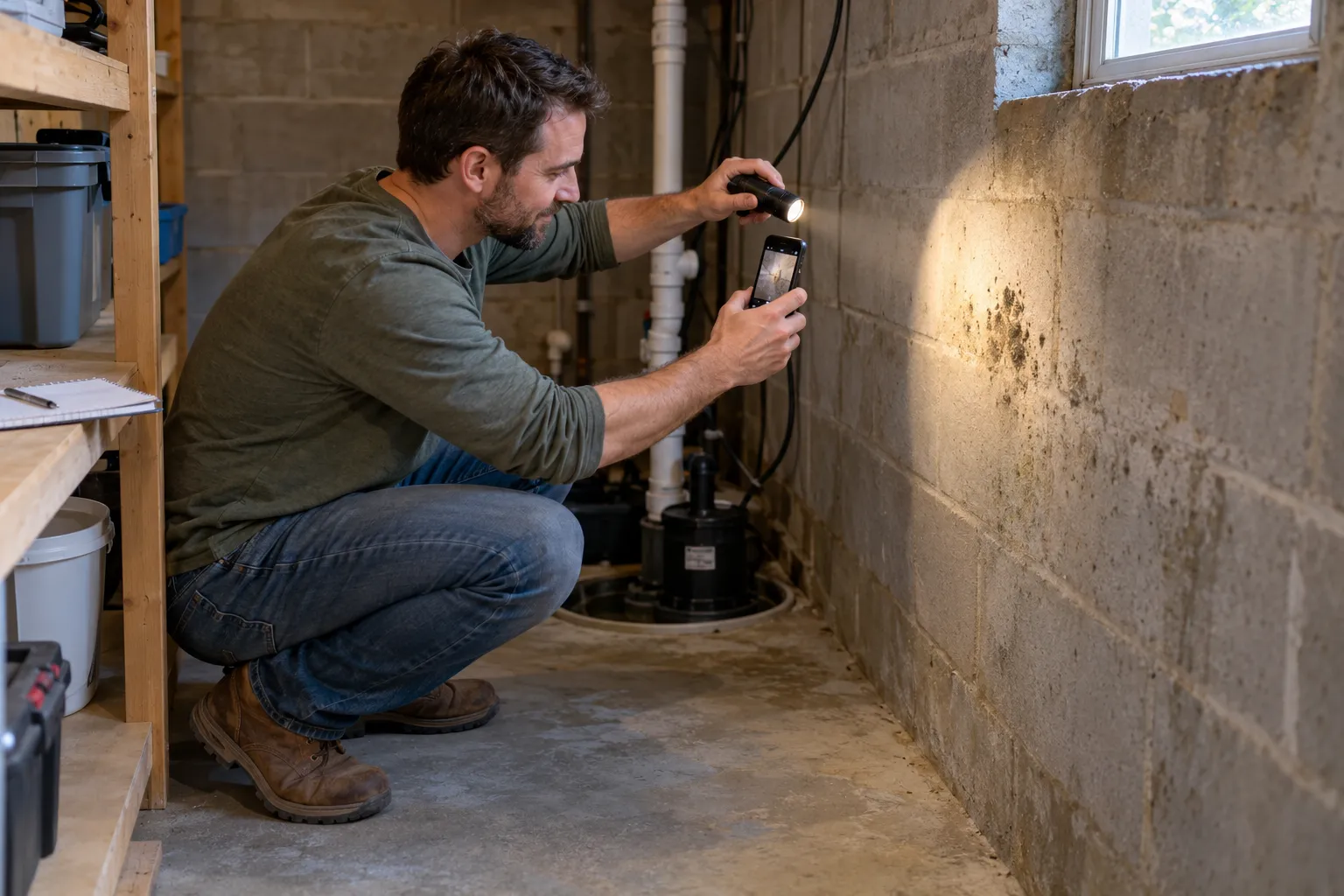
Stay calm. Grab your phone and a flashlight. Look at the spot, then look around it. Mold often hides behind what you can see.
Photograph it first. Take a wide shot of the room and a close shot of the patch. Put a coin or tape measure next to it so the size is clear. Then write down the date and what you smell, feel and see.
Small patch, quick call. The sooner a provider sees it, the easier the fix usually is.
Why Mold Gets Worse When You Wait
Mold needs moisture, a food source and time. Your house has plenty of food. Drywall paper, wood and dust all work. So the only thing missing is water.
In a cold-winter, humid-summer climate, water shows up often. Frost leaves damp foundation walls. Spring floods push water into basements. Hot, sticky summers cause sweating pipes and ducts. Storms can leave roof leaks behind.
A patch you could wipe off today can get into the wall cavity next month. Then the job grows from a cleanup to a repair.
What Mold Remediation Includes
Remediation is more than scrubbing. A provider will usually:
- Look over the area and find how far the growth goes
- Seal off the work zone from the rest of the house
- Remove materials that cannot be cleaned, like soaked drywall or carpet pad
- Clean and treat the surfaces that can stay
- Dry everything out and check moisture levels
Every home is different. A provider can explain which steps your job needs in a written quote.
Why Containment Matters
Disturbing mold sends spores into the air. Scrubbing a patch with a dry brush or running a fan over it can carry spores to other rooms.
Providers often use plastic sheeting, taped seams and air filtration to keep the work in one zone. This is a big reason to know where to stop with DIY work. If the growth is bigger than a small spot, let a pro set up the barrier.
Fix the Moisture, Not Just the Stain
If you clean mold and leave the leak, it comes back. Check the usual suspects:
- A sump pump that is slow or not running
- Gutters that dump water near the foundation
- Dripping pipes, leaky fittings or a loose washer hose
- Bathroom fans that vent into the attic
- Cracks where basement walls meet the floor
Many older frame houses and bungalows have little vapor protection, so damp spots can show up in odd places. A provider can help you spot the source, and a plumber or roofer may need to handle the repair.
What You Can Safely Do Yourself
Some things are fine for a handy homeowner:
- Photograph and log the problem
- Turn off a leaking supply line if you can do it safely
- Run a dehumidifier in the room
- Move belongings away from the wet area
- Wipe a tiny patch on a hard, non-porous surface with detergent and water, wearing gloves, goggles and a mask
That is where it ends. Don't cut into walls, don't spray bleach on everything, and don't blast fans at the patch.
Know Where to Stop
Call a provider if the growth is larger than a few square feet, keeps coming back, sits on drywall or wood, or smells musty in a room you can't see into. Also stop if anyone in the home has breathing trouble. Don't push through a job that feels bigger than you thought.
Request a callback to check provider availability in your area.
Keep Your Paperwork Ready
Providers quote faster when you give them clear information. Make a simple folder on your phone or in a notebook. Add:
- Dated photos, wide and close
- Notes on smells, leaks, storms and past water trouble
- Receipts for any dehumidifier, repair or supplies
- Names, dates and quotes from every provider you talk to
This same folder helps with any insurance conversation later.
Talking With Your Insurance Company
Some policies may cover sudden damage, like a burst pipe. Slow leaks and long-term damp often are treated differently. So check your policy and ask your agent what applies.
Providers can often help document damage for a claim. Keep your photos, notes and written quotes together. Ask questions before work starts, not after.
Choosing a Remediation Provider
Get the details in writing. Ask what the quote covers, how the work area will be contained, and how they will handle the moisture source. Ask what proof of license or insurance they carry, and check it yourself. Compare at least two quotes if time allows.
Be wary of anyone who skips the inspection, pushes a huge job on the spot, or won't put the plan on paper.
After the Work Is Done
Walk the area with the provider. Check that the damp source is fixed and the materials are dry. Ask if a follow-up check makes sense for your home.
Then keep it dry. Hold indoor humidity low, clean gutters each season, test the sump pump before spring, and check under sinks now and then. Add the final paperwork to your folder.
What's Included
Look-Over of the Area
A provider checks how far the growth goes, including walls, floors and spots you cannot easily see.
Contained Work Zone
Plastic barriers and air filtration help keep spores from drifting into the rest of the house.
Cleanup and Removal
Materials that cannot be cleaned come out, and the rest gets cleaned.
Drying and Final Check
The area is dried and moisture levels are checked before repairs and rebuilding begin.
What Mold Remediation Costs
Prices vary a lot by the size of the area, the materials affected and what caused the moisture. These are typical U.S. ranges only. Always get a written quote from the provider before work begins.
| Job type | Typical range | Notes |
|---|---|---|
| Small patch cleanup | $500 – $1,500 | One limited spot on a hard surface |
| Single room | $1,500 – $4,000 | Depends on drywall and flooring involved |
| Basement or crawl space | $2,000 – $6,000 | Larger area, often damp for longer |
| Attic mold | $1,500 – $6,000 | Varies with roof venting and insulation |
| Drywall and material replacement | $500 – $3,000 | Often a separate line on the quote |
| Moisture source repair | $300 – $3,500 | Leaks, drainage or venting fixes |
How It Works
Photograph and Log
Take wide and close photos, then note the date, smells, leaks and any recent storms.
Stop the Water
Shut off a leak if safe, run a dehumidifier and keep the area dry.
Reach a Provider
Request a callback or send the request form to connect with a local provider.
Review the Quote
Read the written plan, ask questions and compare before you say yes.
Why Call Varietyrussian Mold Help
Less Searching
Skip the long list of search results and reach an independent local provider with one request.
Early Action
A small patch is usually simpler to deal with than mold that has crept into walls.
Paperwork Ready
Dated photos and notes help providers quote and help with any insurance talk.
No Obligation
Ask questions and request an estimate without any pressure.
Other Services
Need mold remediation help in Dayton?
- Independent local providers handle inspection, testing and removal
- Photos and notes ready
- Request an estimate, no obligation
- Simple steps for homeowners
Mold Remediation Help FAQ
Can I remove mold myself?
You can wipe a tiny patch on a hard surface with detergent and water. Wear gloves, goggles and a mask while you do it. If the mold is on drywall or wood, covers a larger area, or keeps coming back, leave it to a local provider. Scrubbing porous material can spread spores and hide the real cause, like a slow leak or damp air.
How do I know if I need mold remediation?
Look for growth larger than a few square feet, a musty smell that lingers, or past water damage. If the mold keeps coming back after you clean it, a local provider should take a look.
Does homeowners insurance cover mold remediation?
Some policies may cover mold that follows sudden damage, such as a burst pipe, but not slow leaks or neglect. Check your policy and ask your agent. Providers can often help document damage for a claim.
Areas we cover
Dayton Trotwood Vandalia Huber Heights Centerville Englewood Fairborn Xenia West Carrollton
Request a callback
Questions about a musty smell or a spot on the wall? Send a note to contact@varietyrussian.garden or use the request form, and we will point you to a local provider.
No obligation